Day 11/12 | 10/11.05.2016: The Unknown Georgia
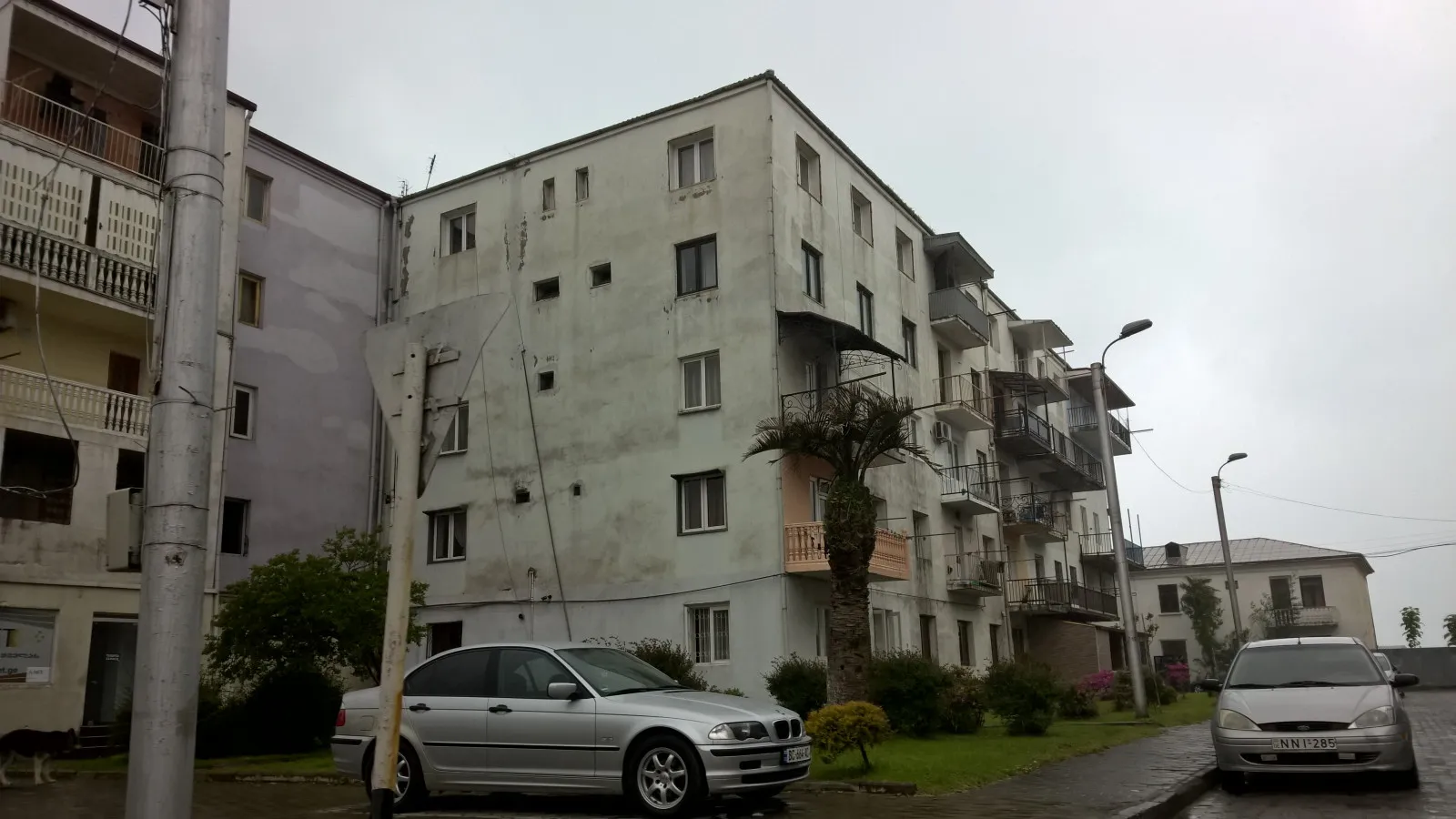
Driving through Georgia — a country that regained its independence from the Soviet Union as recently as 1991, just 25 years ago — our eyes are constantly drawn to things we never expected. In the city of Batumi, a relatively touristy city by Georgian standards right on the Black Sea coast, apartment blocks loom that we never would have anticipated. Stretches of road right in the middle of the city are almost impassable.
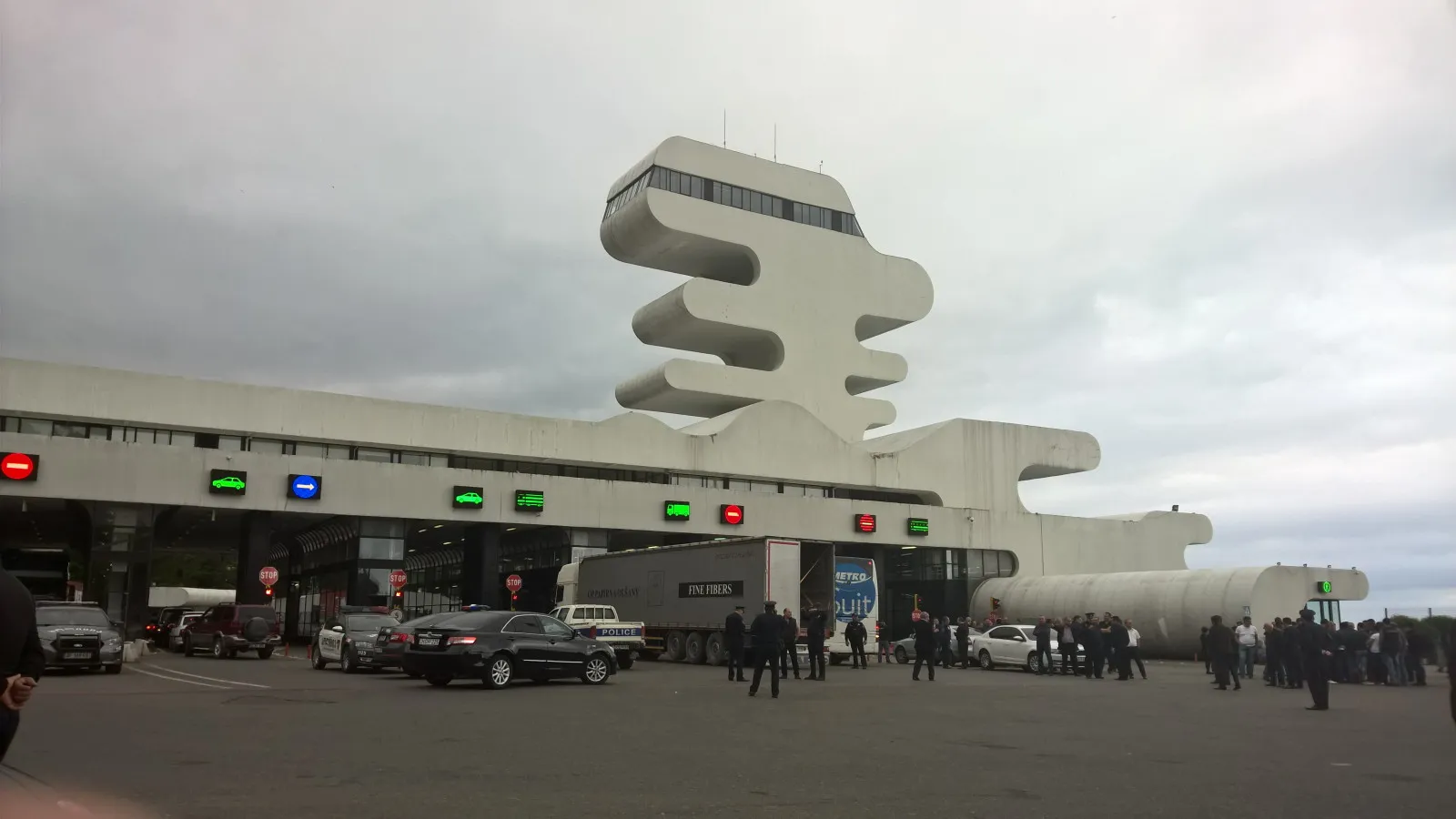
According to an Austrian woman we spoke with — who has been working as an attaché for the EU in Georgia for five years — many Georgians hold nationalist-authoritarian views and show little regard for minorities. But we are not here to judge or condemn the political attitudes of the local population; we are here to explore the “frozen moment in time” since independence. And at first, with all the weight of state power, the “creature of the feared state” rears its mighty head. An incomprehensible Soviet-style bureaucracy demands that only the registered owner of a vehicle may be inside it when crossing the border. Everyone else must cross on foot. But let’s give our excitement a chance.
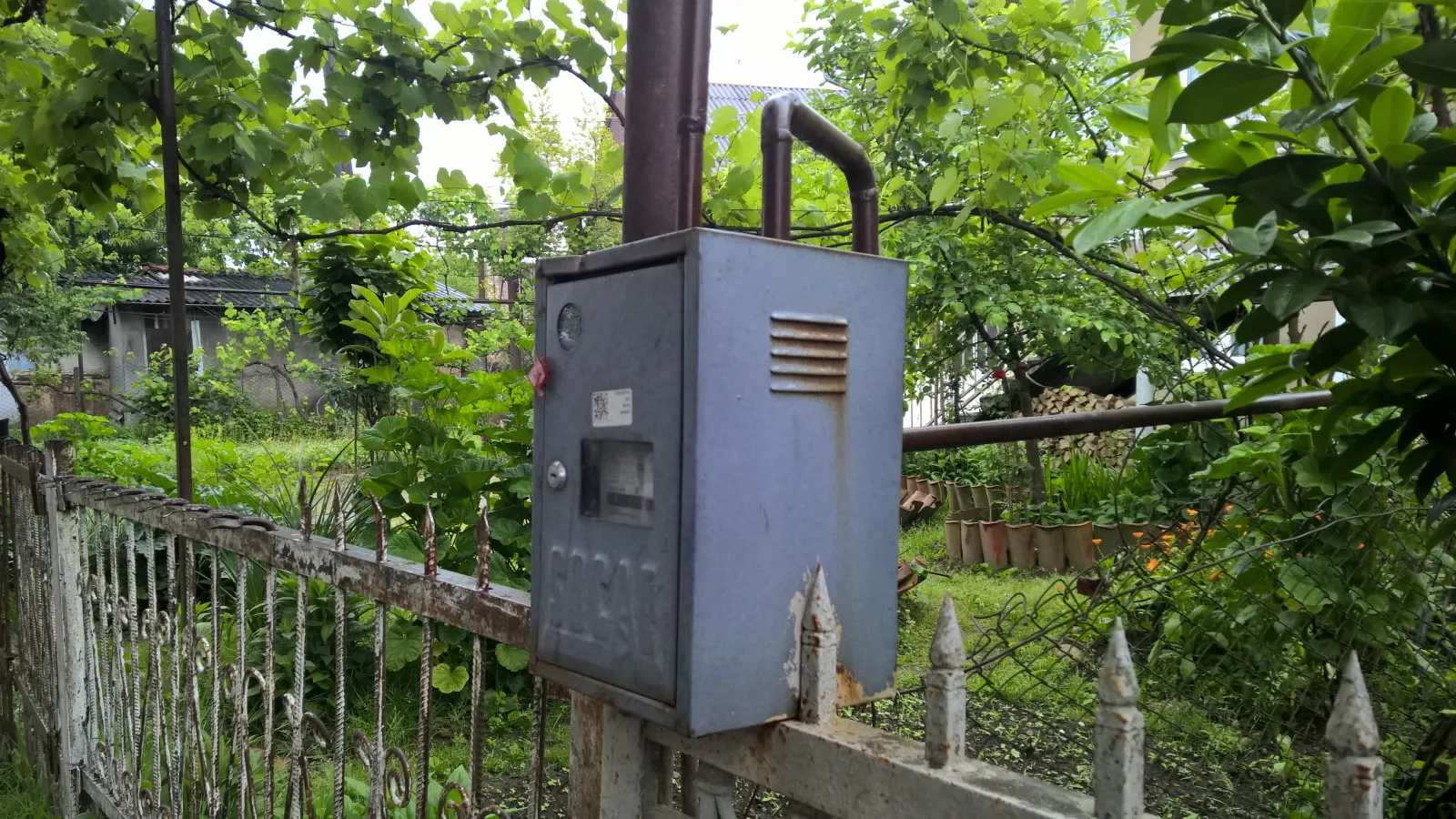
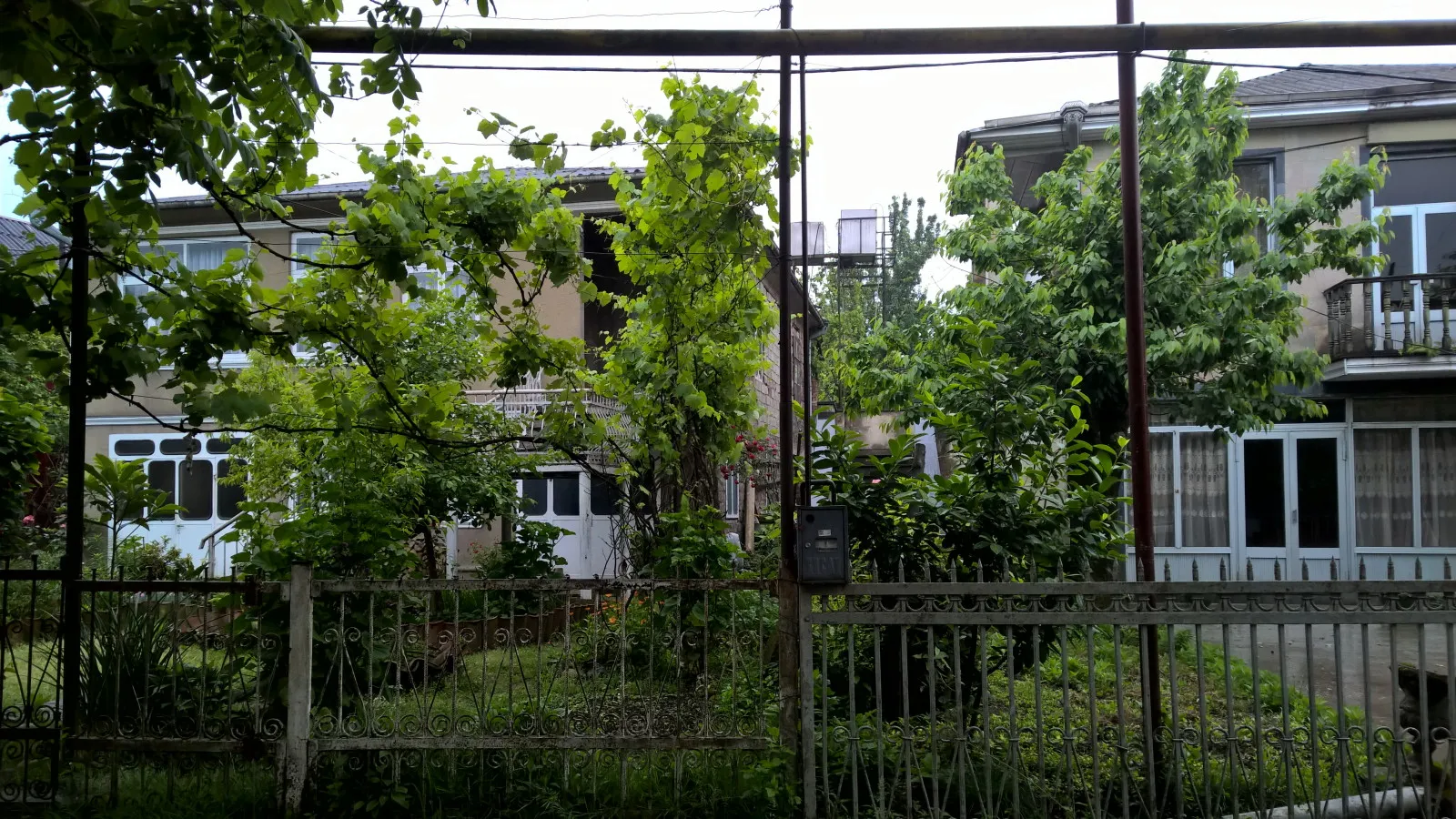
Georgia greets us on arrival with rain and gloom. The air is warm, and the traffic nearly brings the border crossing to a standstill. Houses stand dilapidated, as if uninhabited and abandoned. Cows amble along the road, graze on grass, cross the street, and pay no attention to traffic. Yet even the run-down scenery on the way to our overnight stop in Batumi cannot dampen our spirits. After all, driving through Schlieren isn’t always exactly picturesque either.
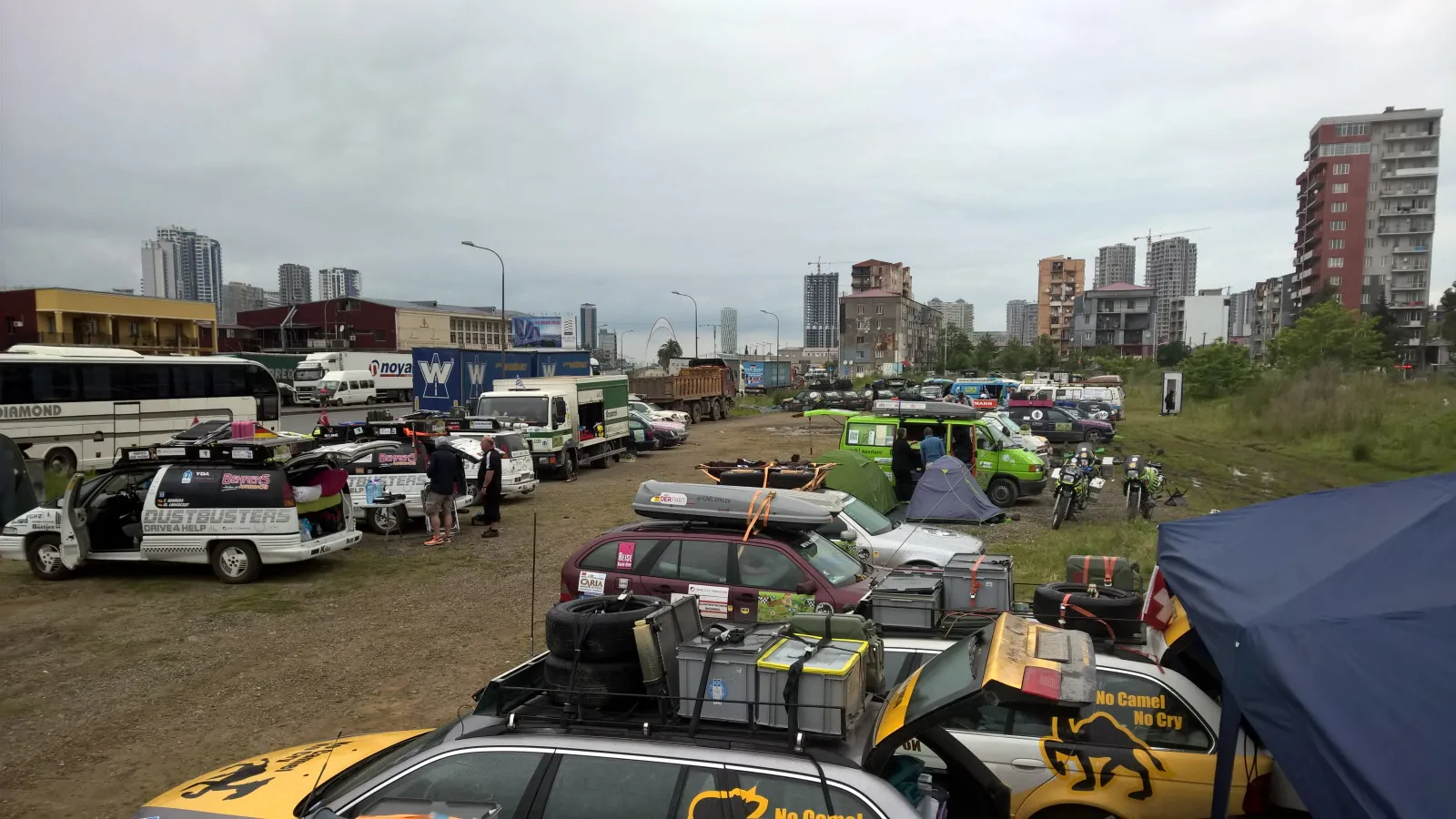
And still, this was not quite how we imagined it: our sleeping spot in Batumi is in the middle of crumbling apartment blocks, right next to the road. A few stray dogs can be spotted. And then we see it, right there in front of us — “real Georgia”: children and young adults with rough features and little spark in their eyes. We feel uncertain. Are they begging? Are they criminals? Or are they simply curious and want to make contact with us?
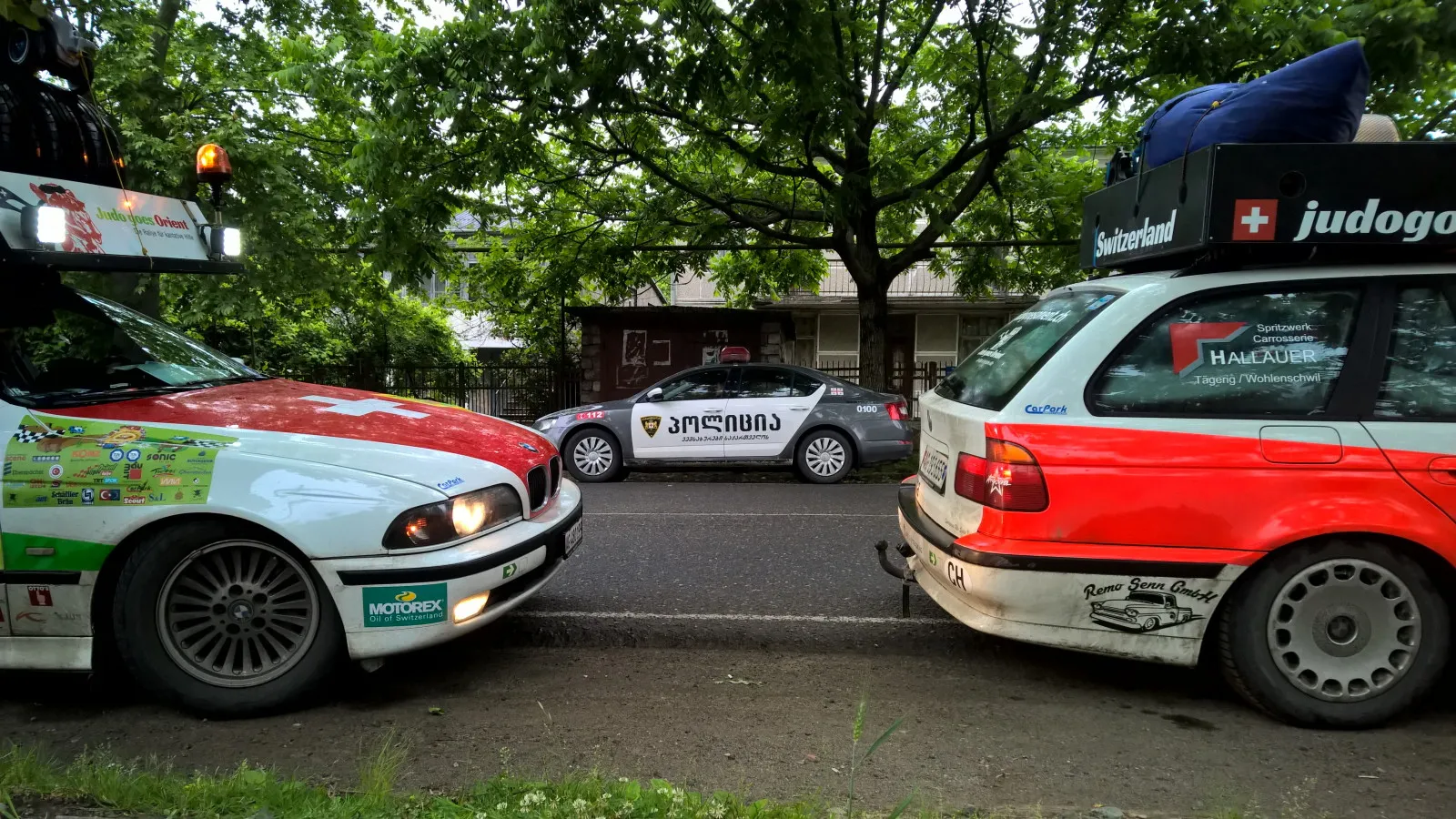
The average Georgian earns the equivalent of 250 euros a month. Since breaking away from the Soviet Union, those who can do their best to keep their heads above water. The majority seems to be no better off than in socialist times. The police profession appears to be seen as desirable. We see more police cars than we have seen anywhere else. What their job actually is remains unclear to us. Speed controls or enforcement of traffic rules it cannot be: people overtake on both sides, whether there is room or not. Indicators are superfluous. People stop wherever it suits the driver best. We drive with our roof light flashing and sirens wailing. The police officers wave at us and follow along behind.
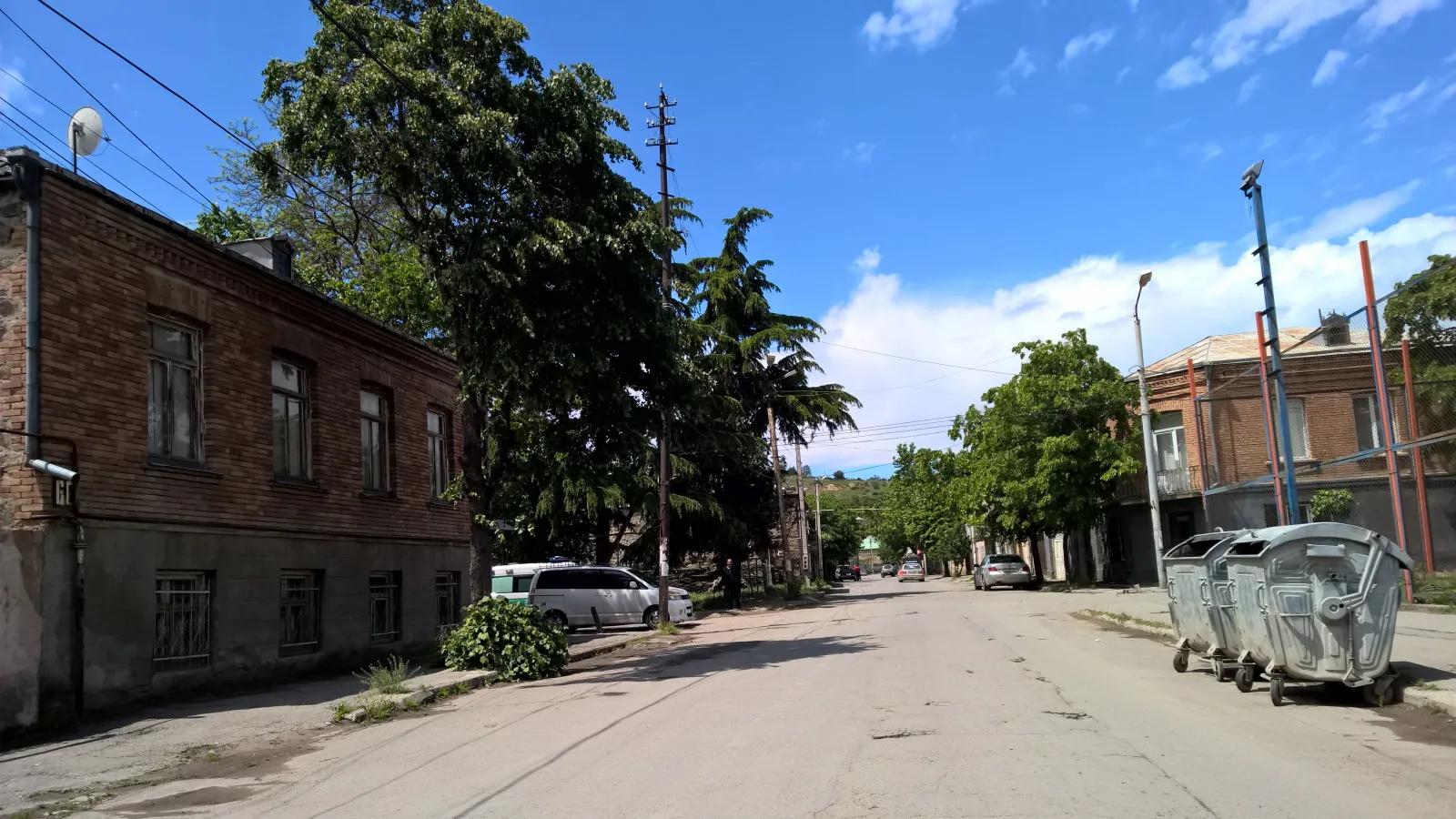
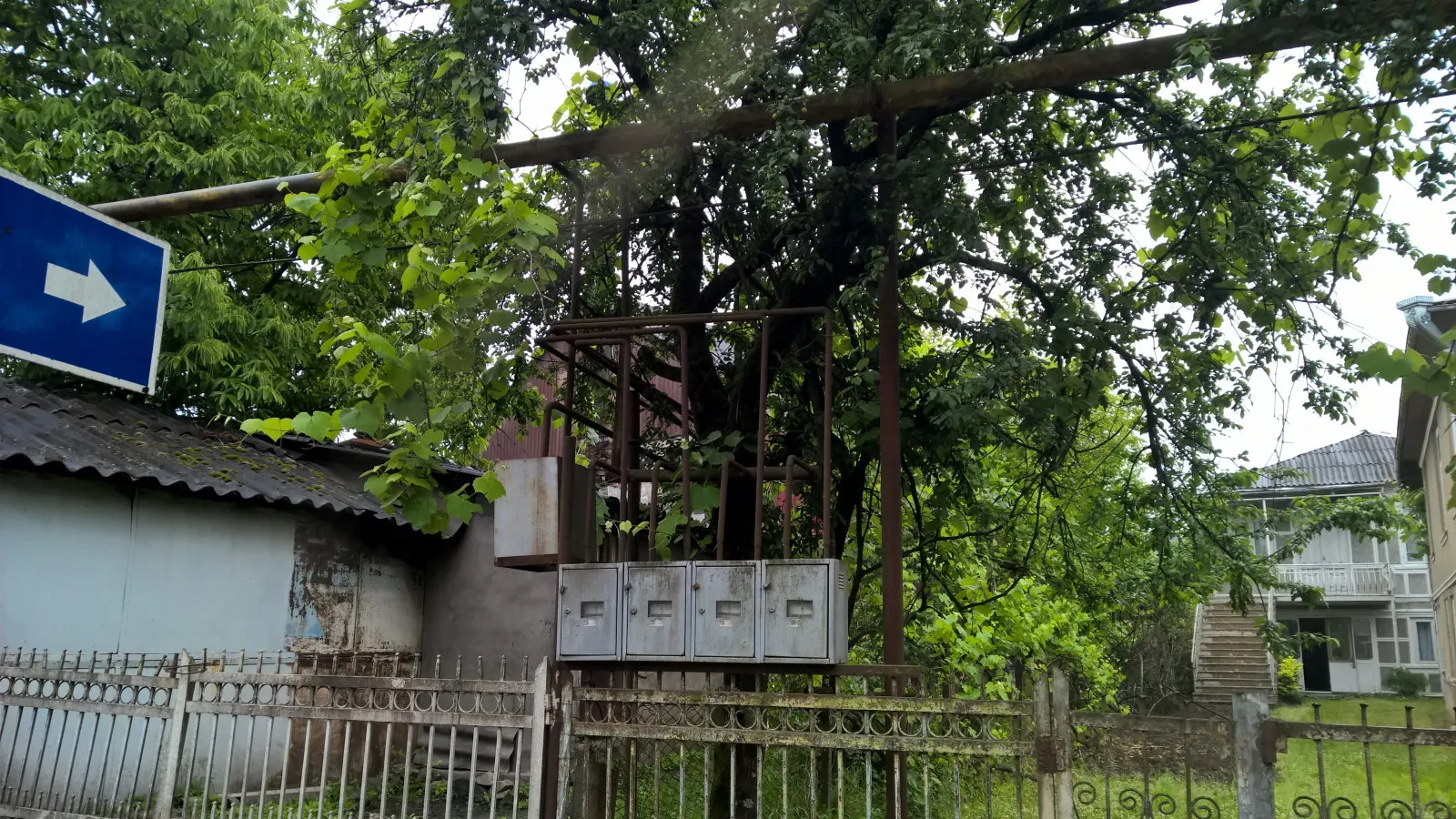
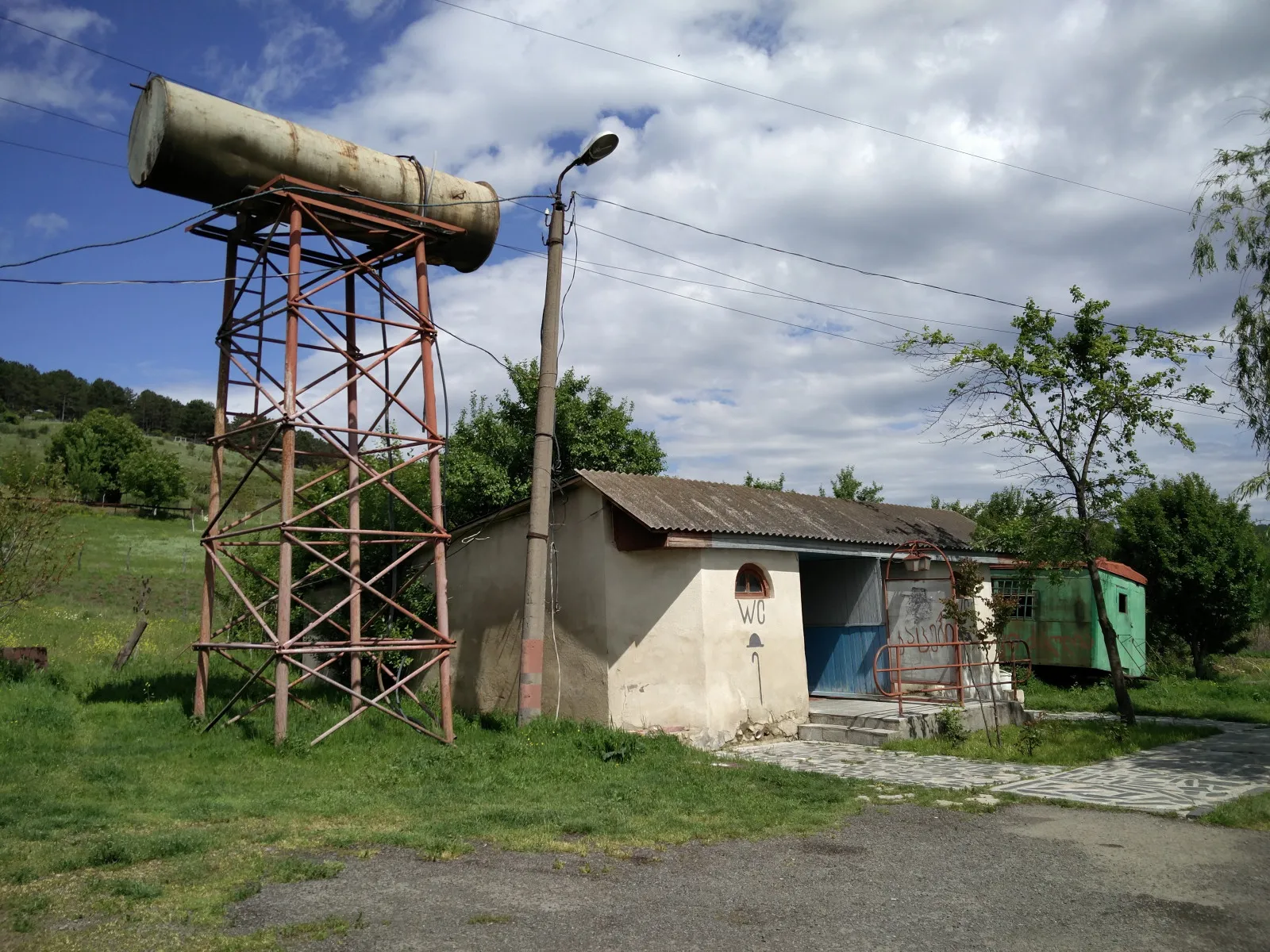
There is no question: this country fascinates me in particular. In Tbilisi, the capital, around 1.5 million people live; in the rest of the country — roughly 1.5 times the size of Switzerland — another 1.7 million. In the centre of Tbilisi, you feel like you could be in any other major European city. But beyond what are probably EU-driven efforts around the capital, life is simple. Looking through the car windows while driving through other towns occasionally reminds us of bombed-out German cities. Buildings and statues in prime locations as witnesses to Soviet grandeur and claims to power — now abandoned and decaying. The ruins are becoming eerie monuments to a bygone era. Driving through the countryside recalls images we know from the Russian hinterland, or perhaps Cuba. Isolated houses amid lush vegetation, with chickens and pigs foraging in the dirt out front. People selling water and fruit by the roadside. Infrastructure that evokes times we thought long forgotten.
Before this trip, Georgia was barely on my radar. I still know very little about this country — about its education and healthcare systems, its economic performance and levels of crime. Perhaps that is exactly what fascinates me so much: the unknown, the legacy of the Soviet era, and the efforts of the population to build a better life from the rubble of a dream that, a quarter century ago, promised to become reality.
What else we experienced:
-
After coordinating with other rally teams, we slept on the aforementioned spot in the middle of rundown apartment blocks.
-
For dinner we had raclette — with Turkish “raclette cheese”. It was a wonderful evening. We’ll write about it in more detail later.
-
After a stop along the way, we had a falling out among ourselves. We talked it through. The matter is settled. A small quarrel comes with the territory.
-
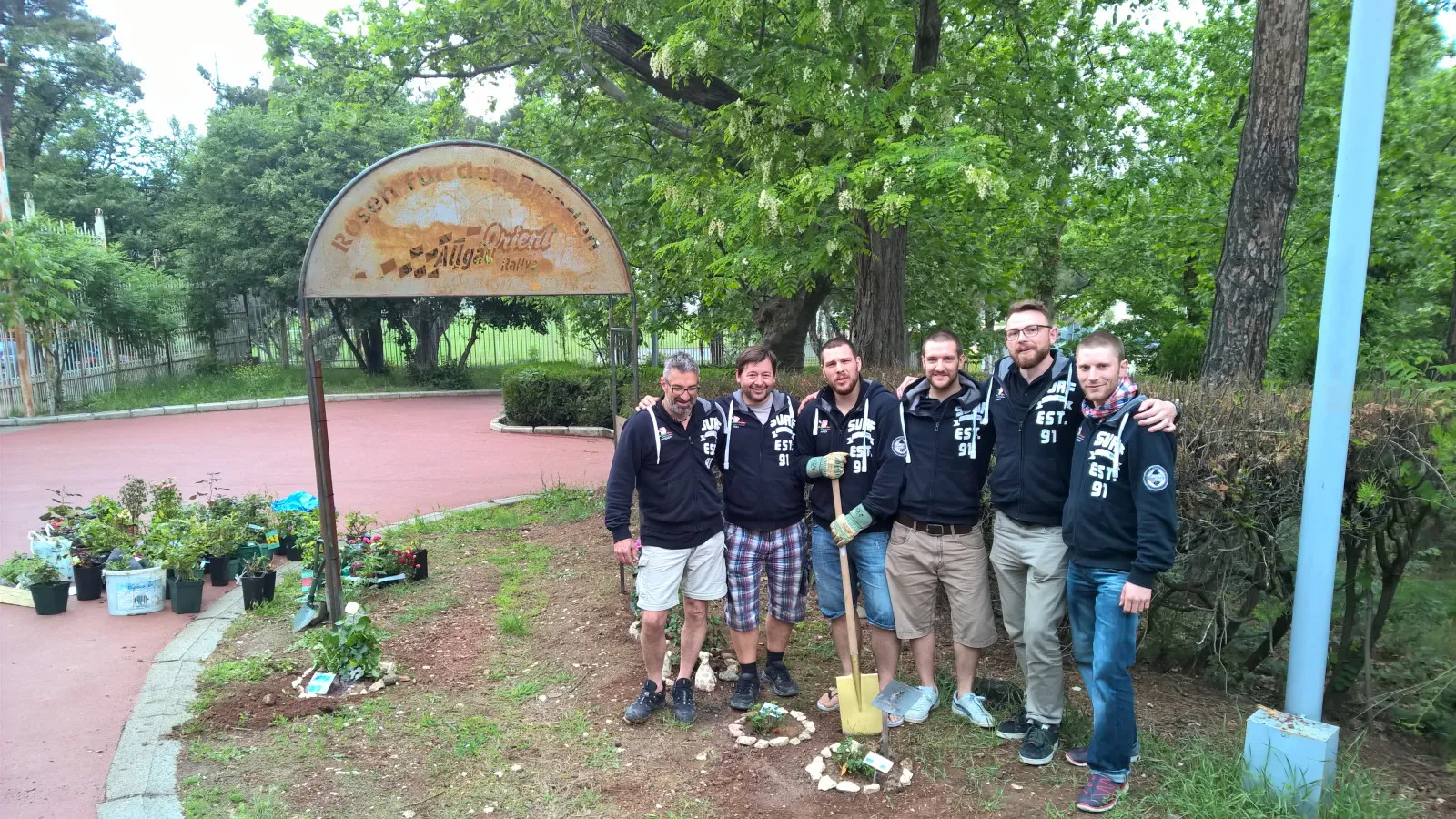
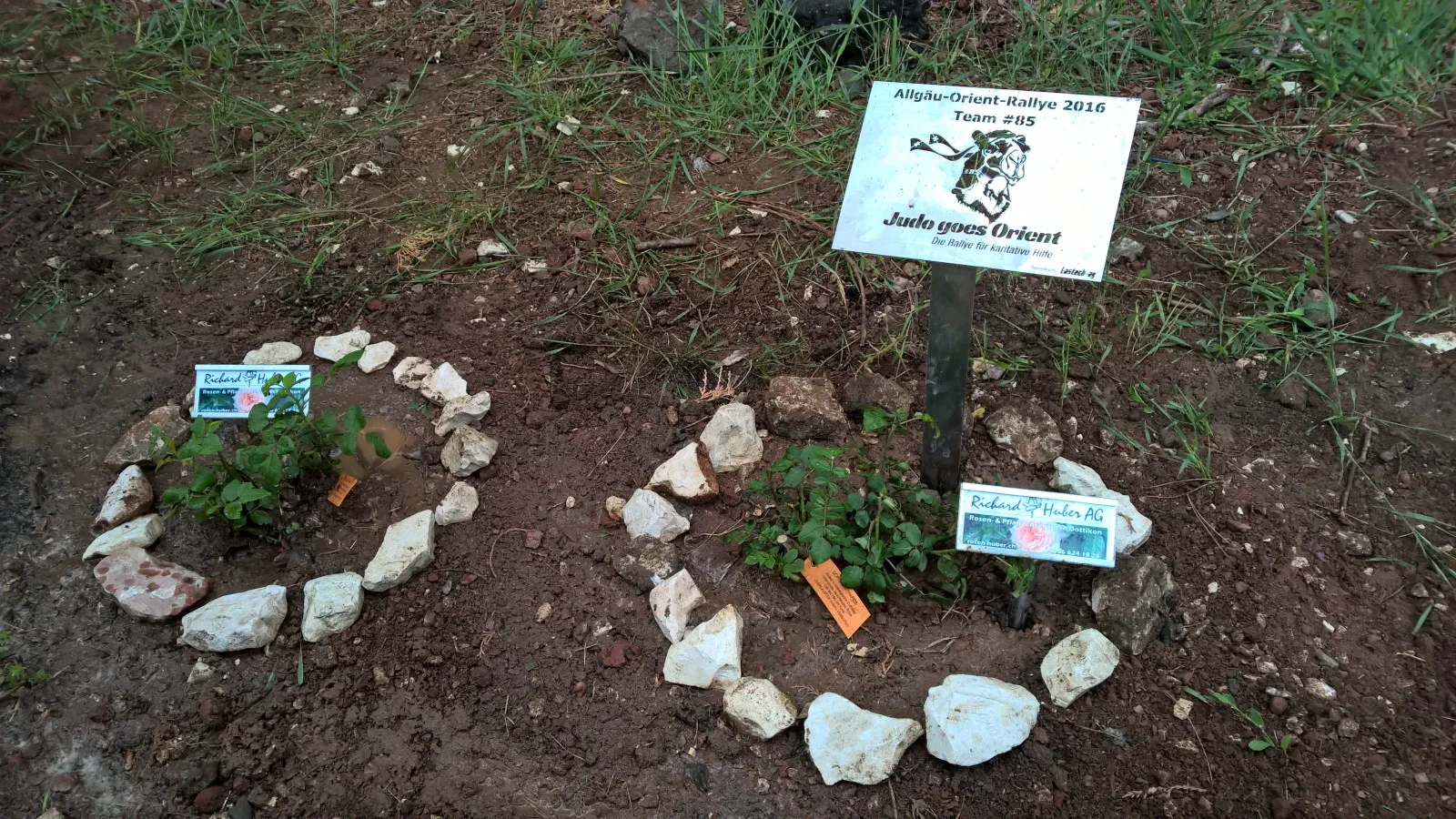
In Tbilisi we planted our last roses. All rally participants had brought rose bushes. In doing so, we symbolically created a rose garden for peace. One rose garden at the start in Oberstaufen, one in Istanbul, and one in Tbilisi.